When the required product does not exist.

Standard products and proven methods are the starting point. Some project requirements, physical constraints, or technical interfaces demand something more specific.

LANDOTECH develops mechanical designs, fabricated hardware, electronics, controls, and supporting software when a standard product cannot resolve the condition properly.

The objective is not customization for its own sake. It is a solution that integrates cleanly, performs reliably, and remains understandable and serviceable.

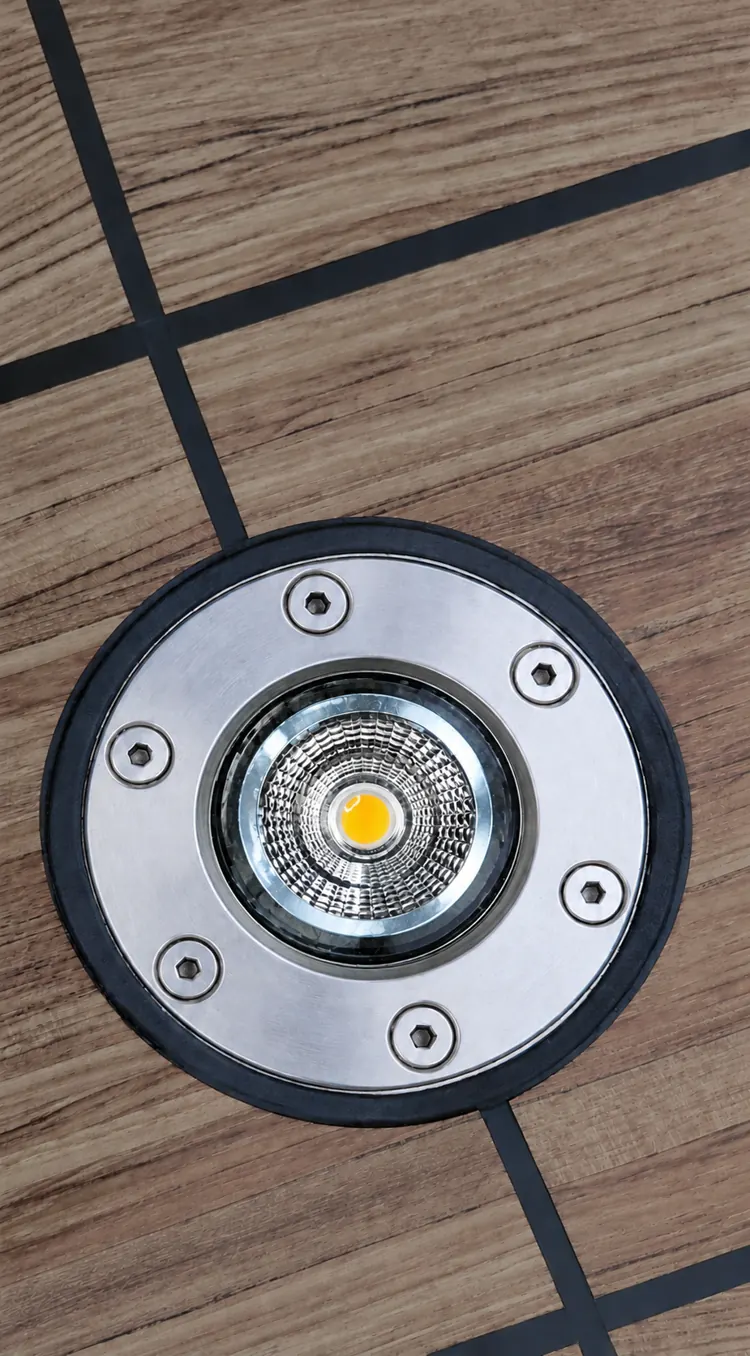
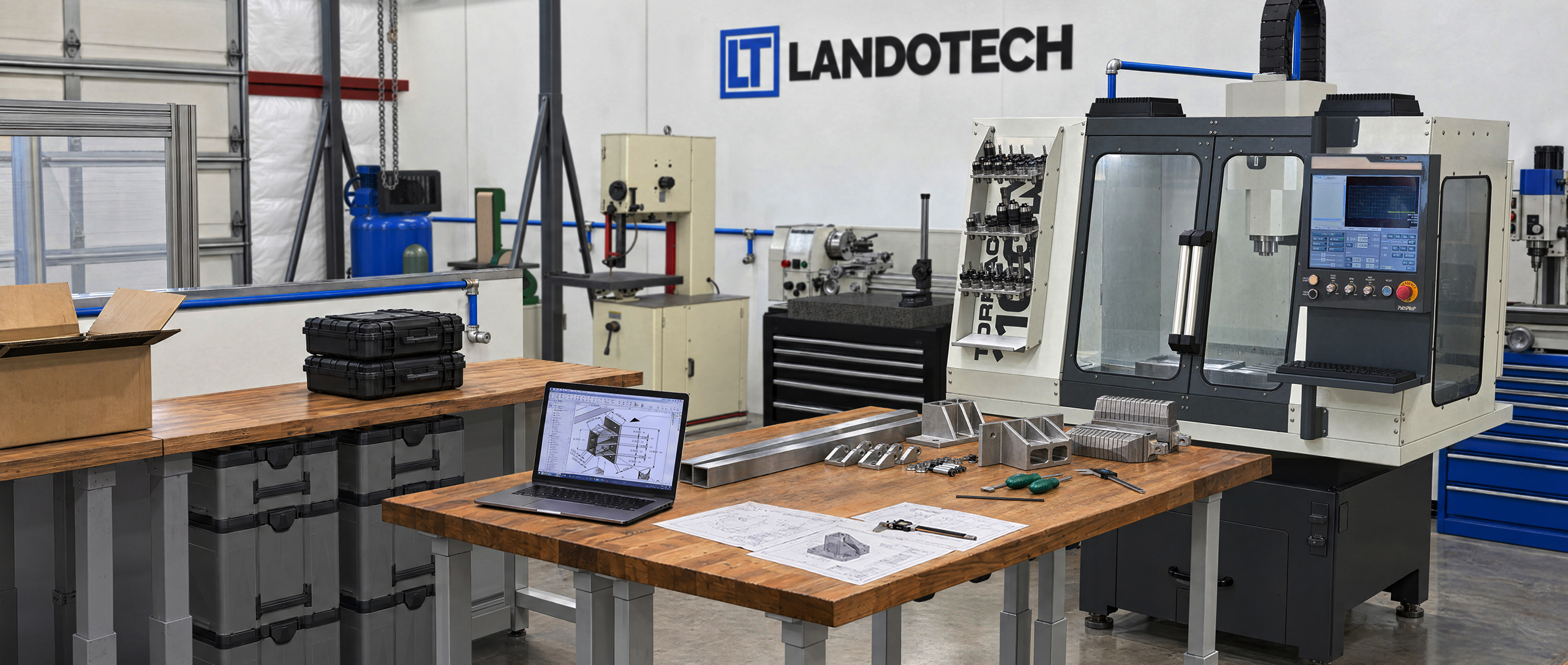
Engineering and fabrication workshop environment

Engineering begins with the condition.

A damaged component, difficult mounting condition, unusual equipment envelope, or missing interface changes the design problem. We begin by determining what the actual constraint requires, rather than improvising around a catalog part.

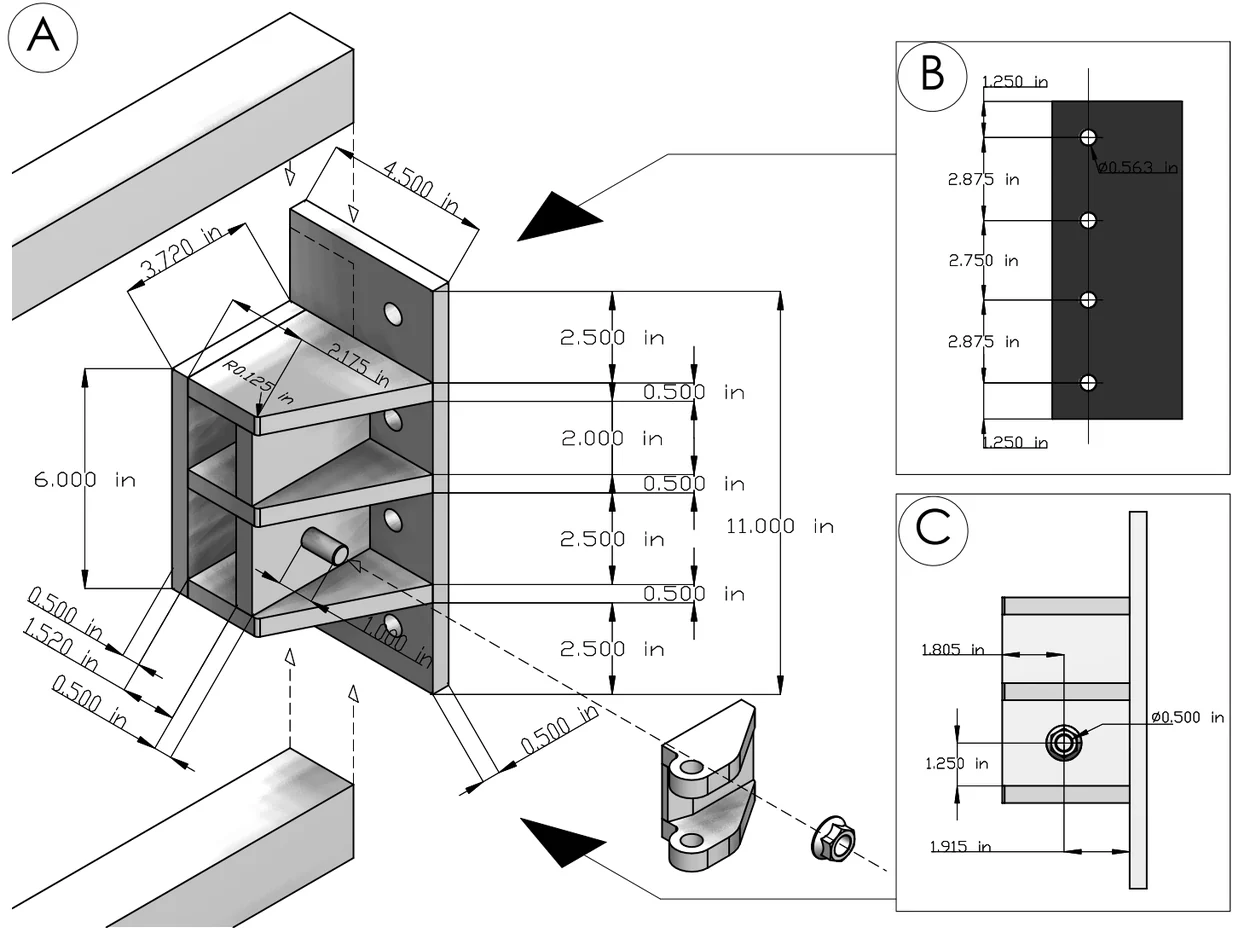
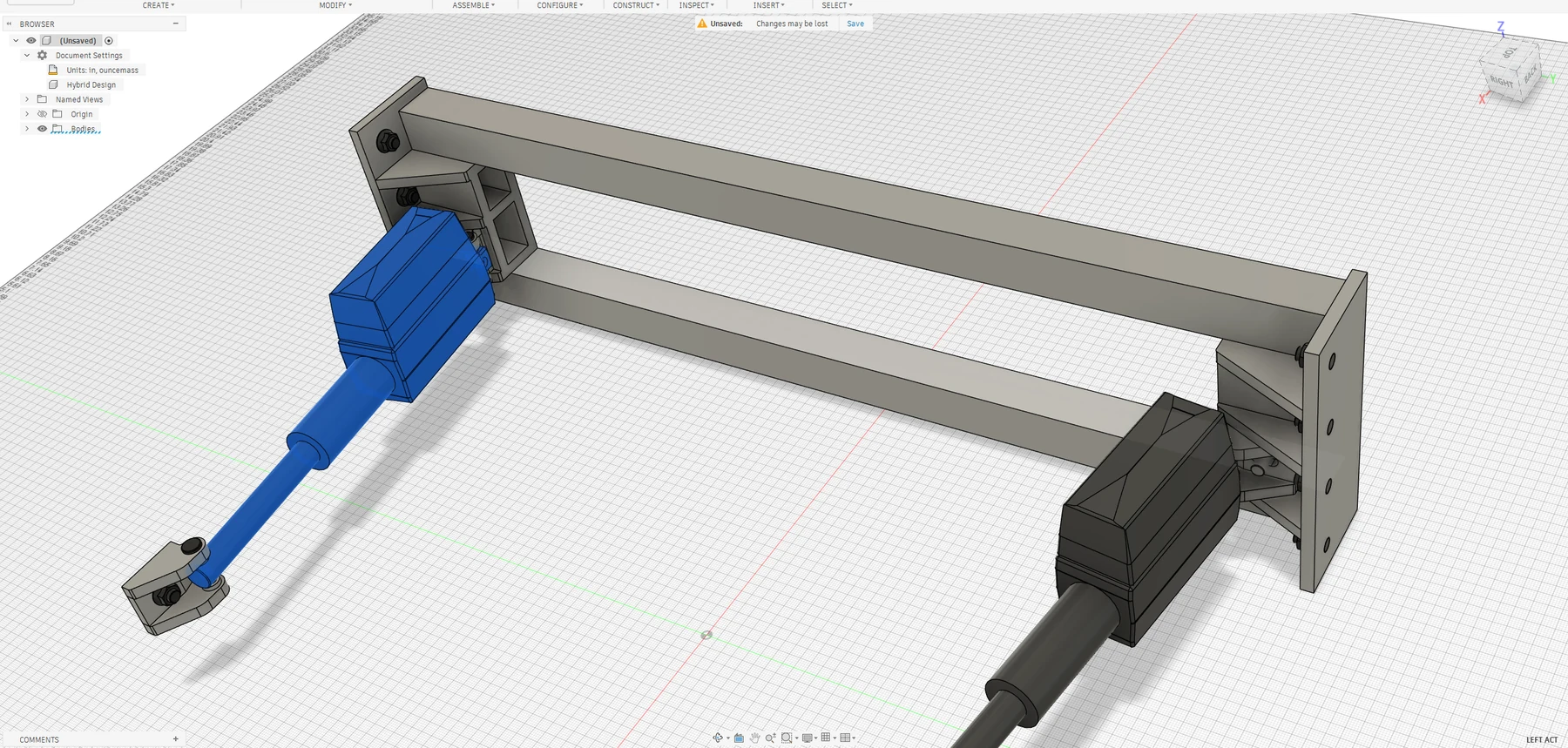
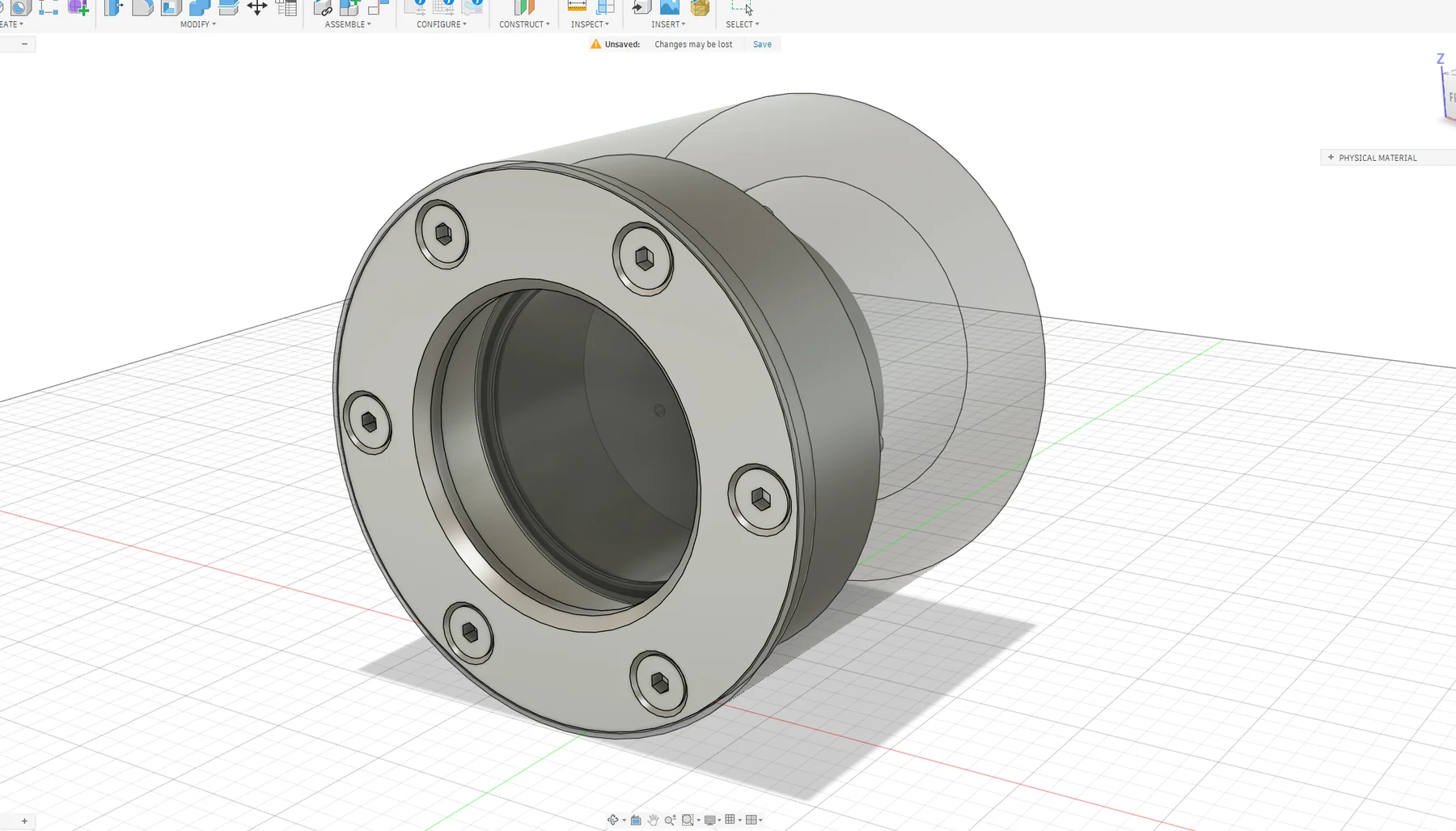
CAD modeling and detailed drawings help evaluate geometry, mechanical interfaces, assembly, clearances, materials, and service access before a design moves into fabrication.

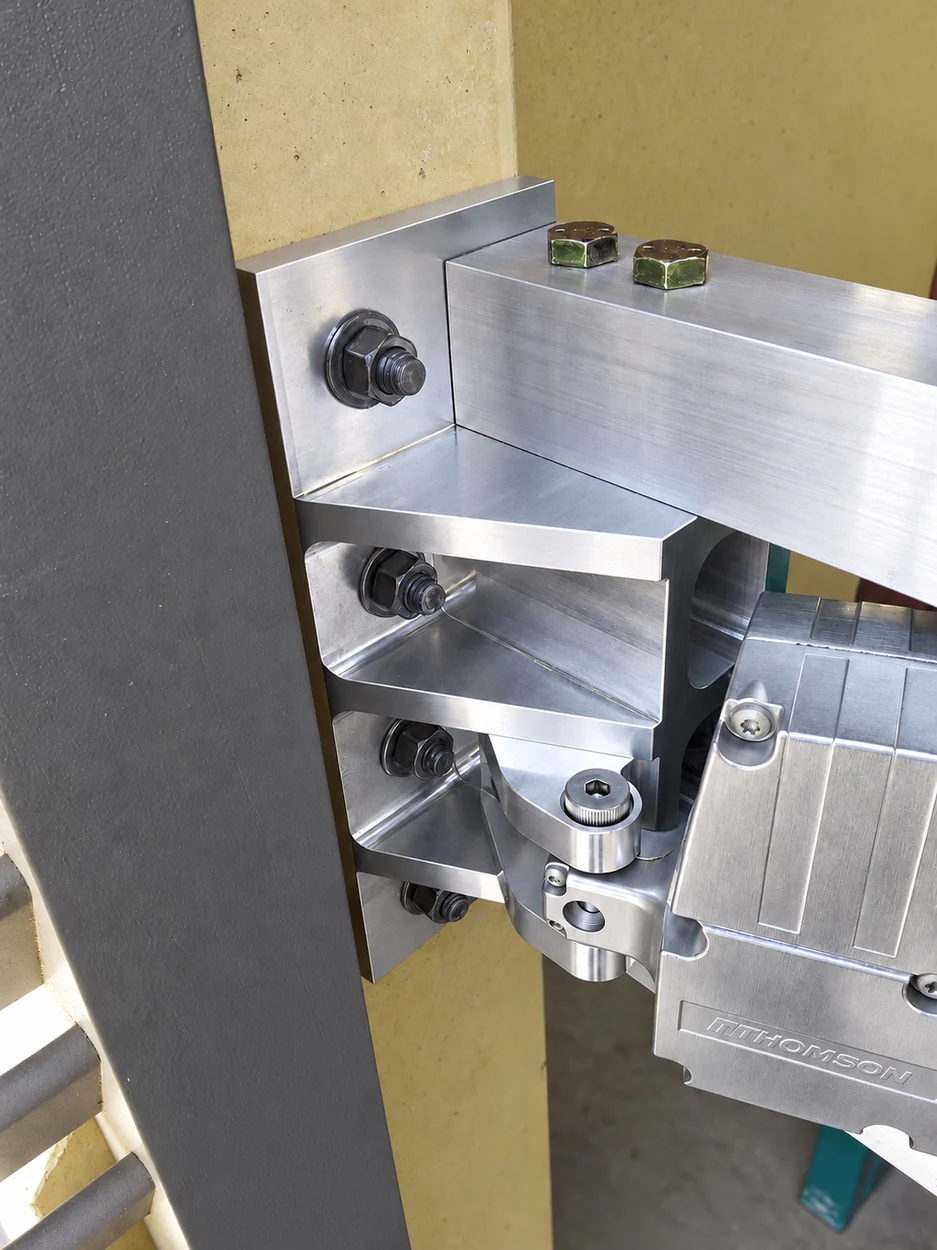
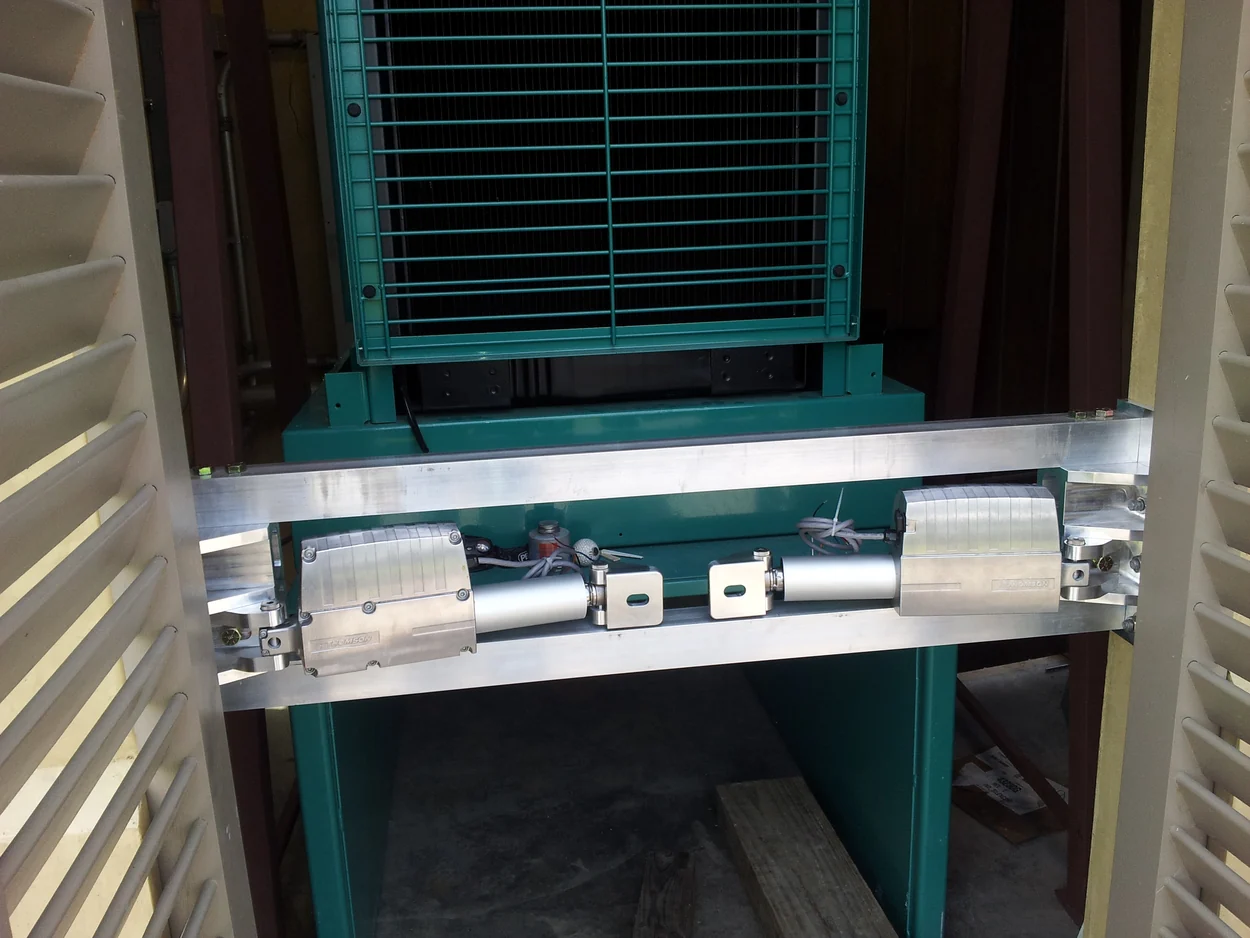
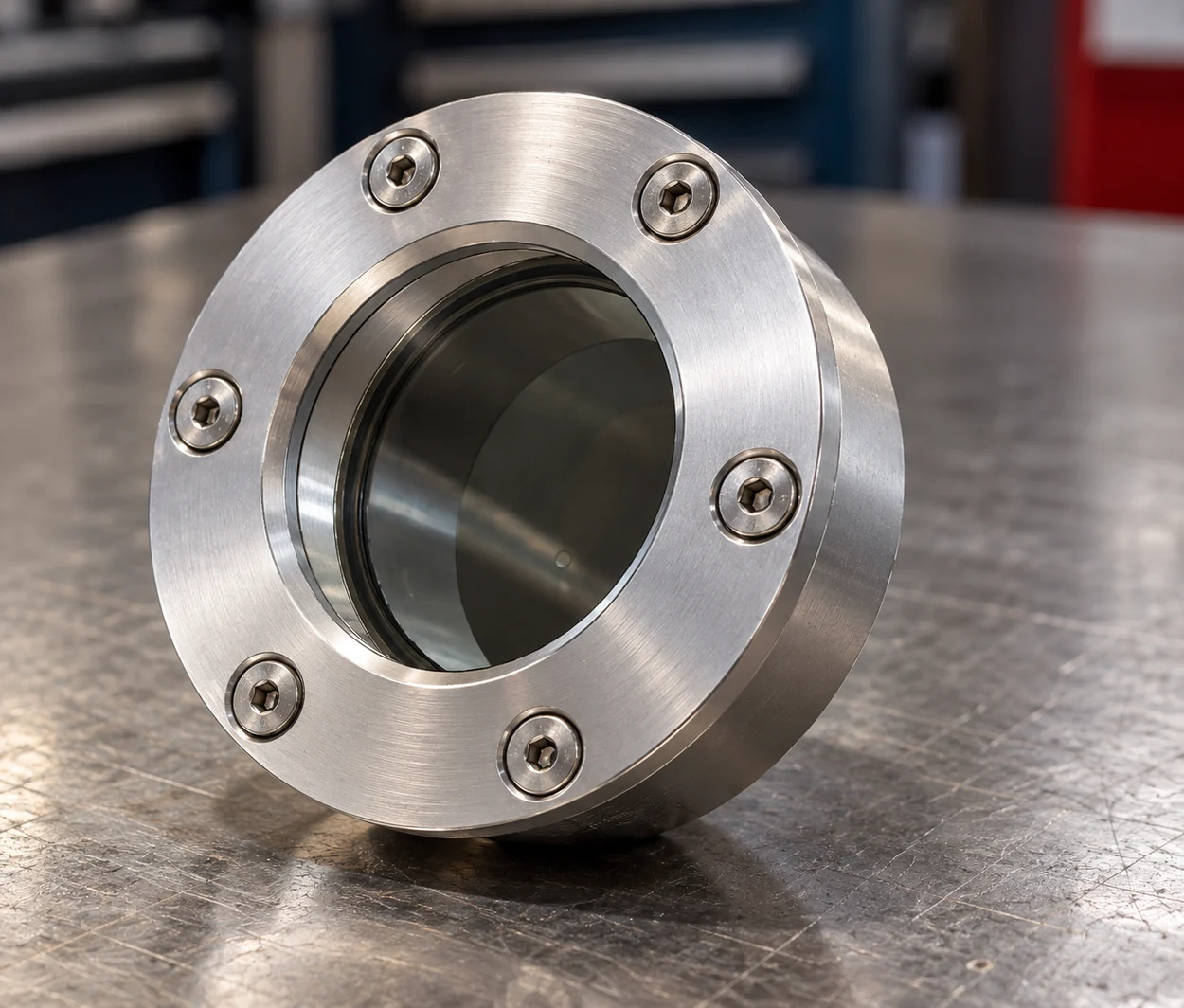
The images below connect the mechanical CAD design with the finished component and its installed configuration.
Built for the application.

In-house capabilities include CNC machining, metal fabrication, finishing, assembly, rack and equipment enclosures, specialty mounting hardware, fixtures, and architectural integrations.

Those capabilities allow a custom mechanical solution to move from drawing to physical hardware, with installation dimensions, interfaces, finish, and access considered as part of the same design.

The images show the hinge drawing, finished hardware, installed configuration, and CAD model of the complete assembly.

Application-specific electronics and controls.

Some systems call for more than a standard controller or interface. Custom circuit assemblies, switching hardware, controls, enclosures, and application software can bridge requirements that off-the-shelf products do not address.

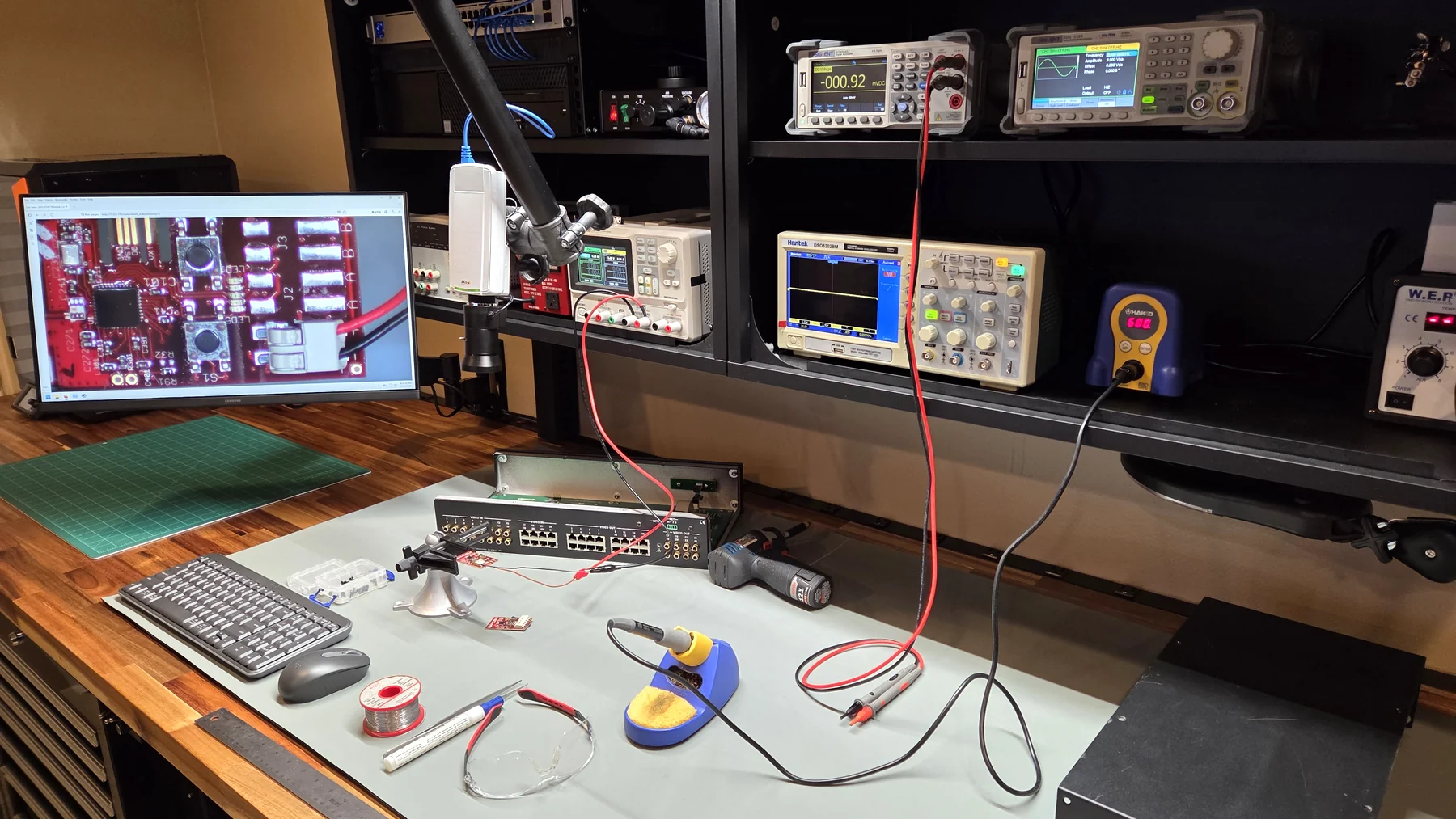
LANDOTECH works across the electronic and mechanical elements of these solutions, from physical integration and assembly through bench measurement, debugging, and operation.

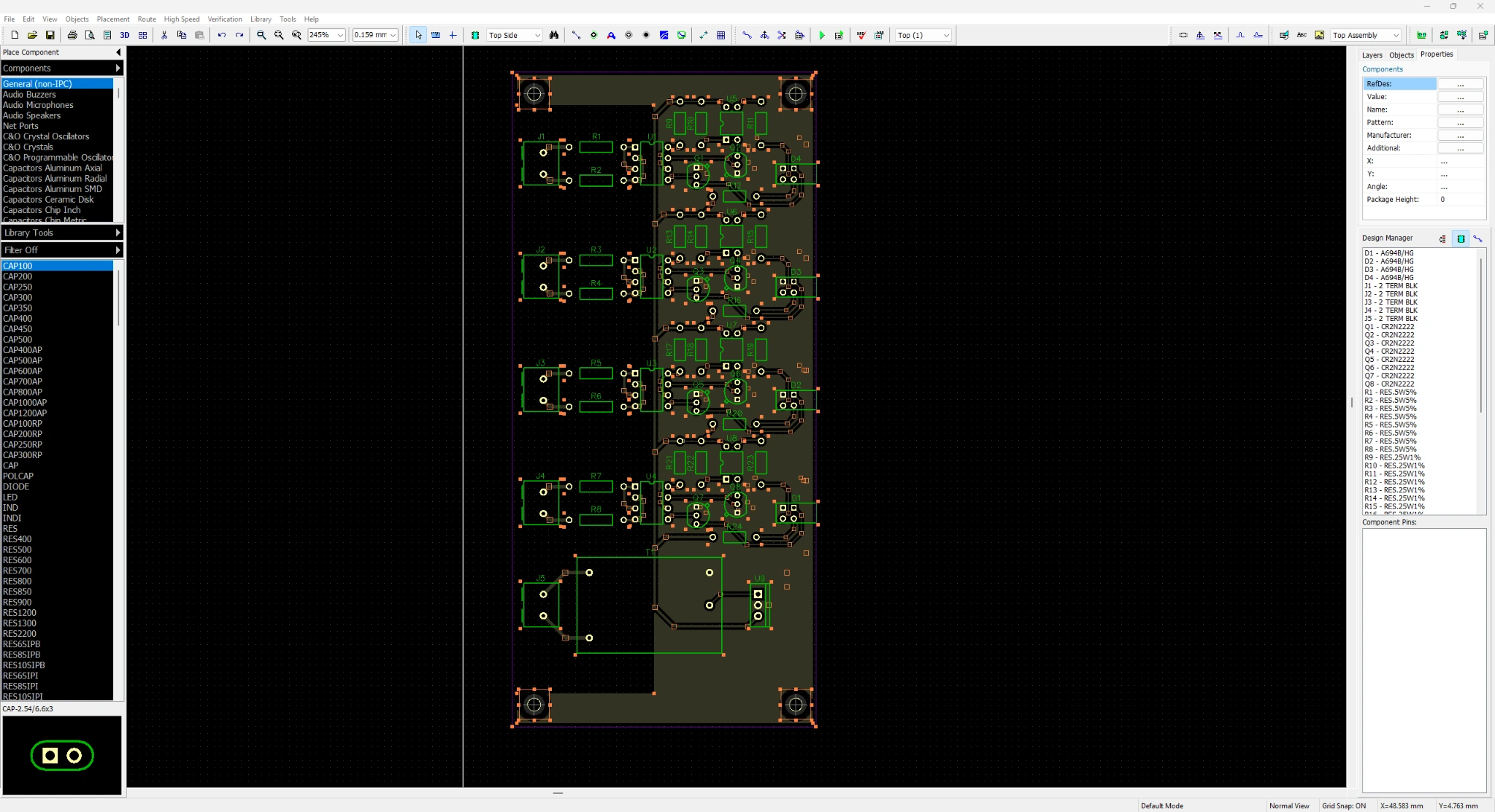
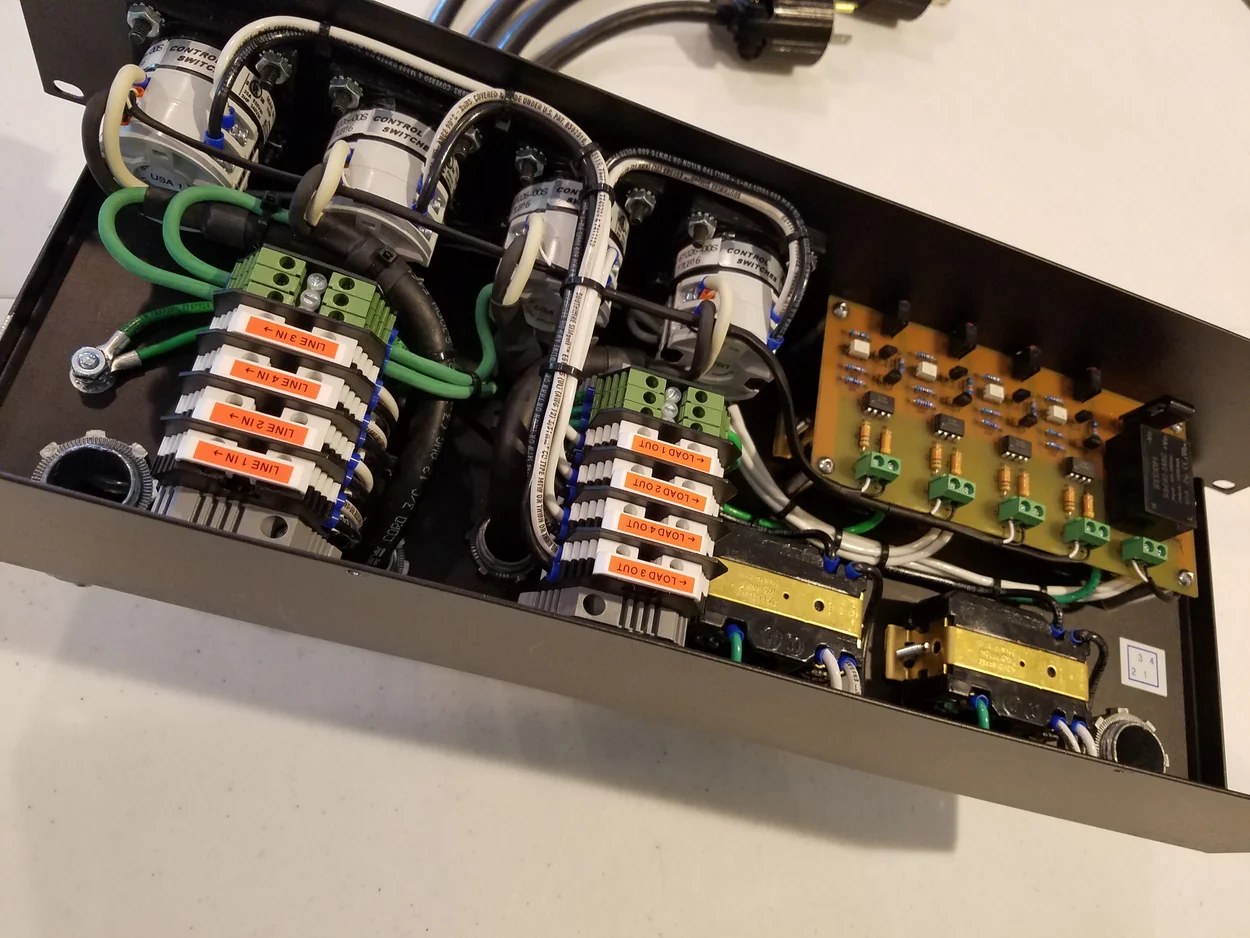
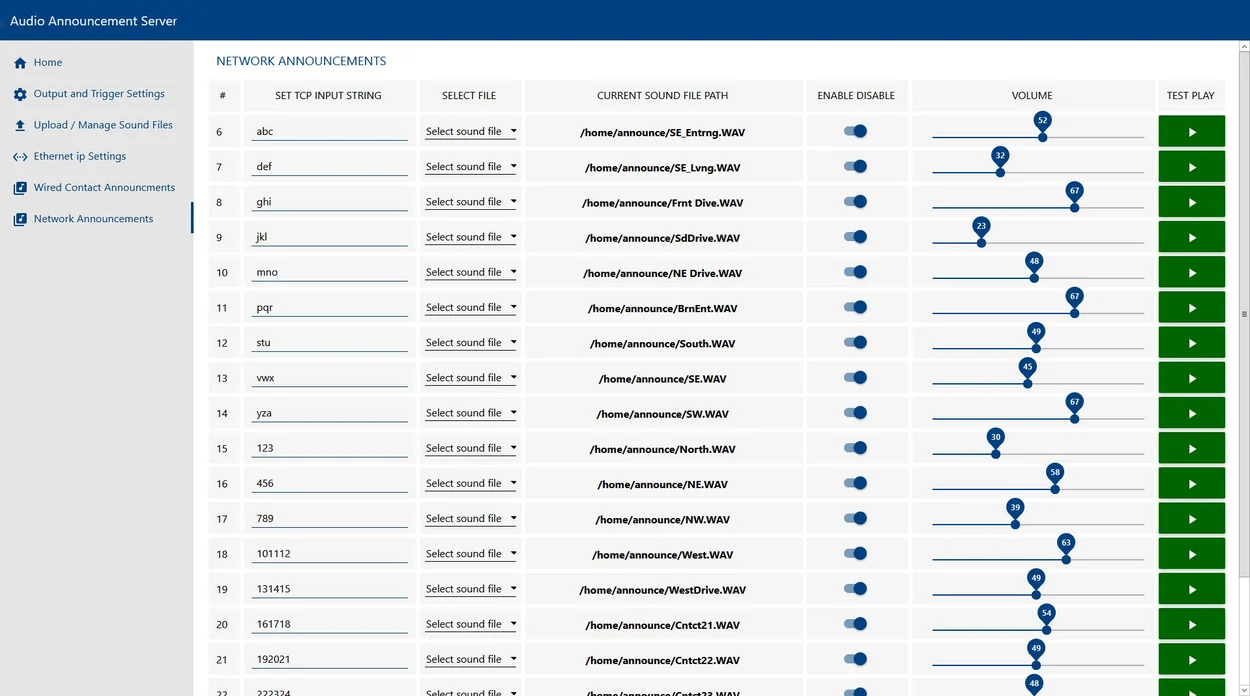
The examples connect bench testing, a custom source-selector PCB layout, finished power-distribution hardware, and an application-specific announcement-server interface.

Custom should not mean unknowable.

Custom work should remain accessible, maintainable, and documented. Mechanical drawings, configuration information, replaceable components where practical, and clear service access all matter after the installation is complete.

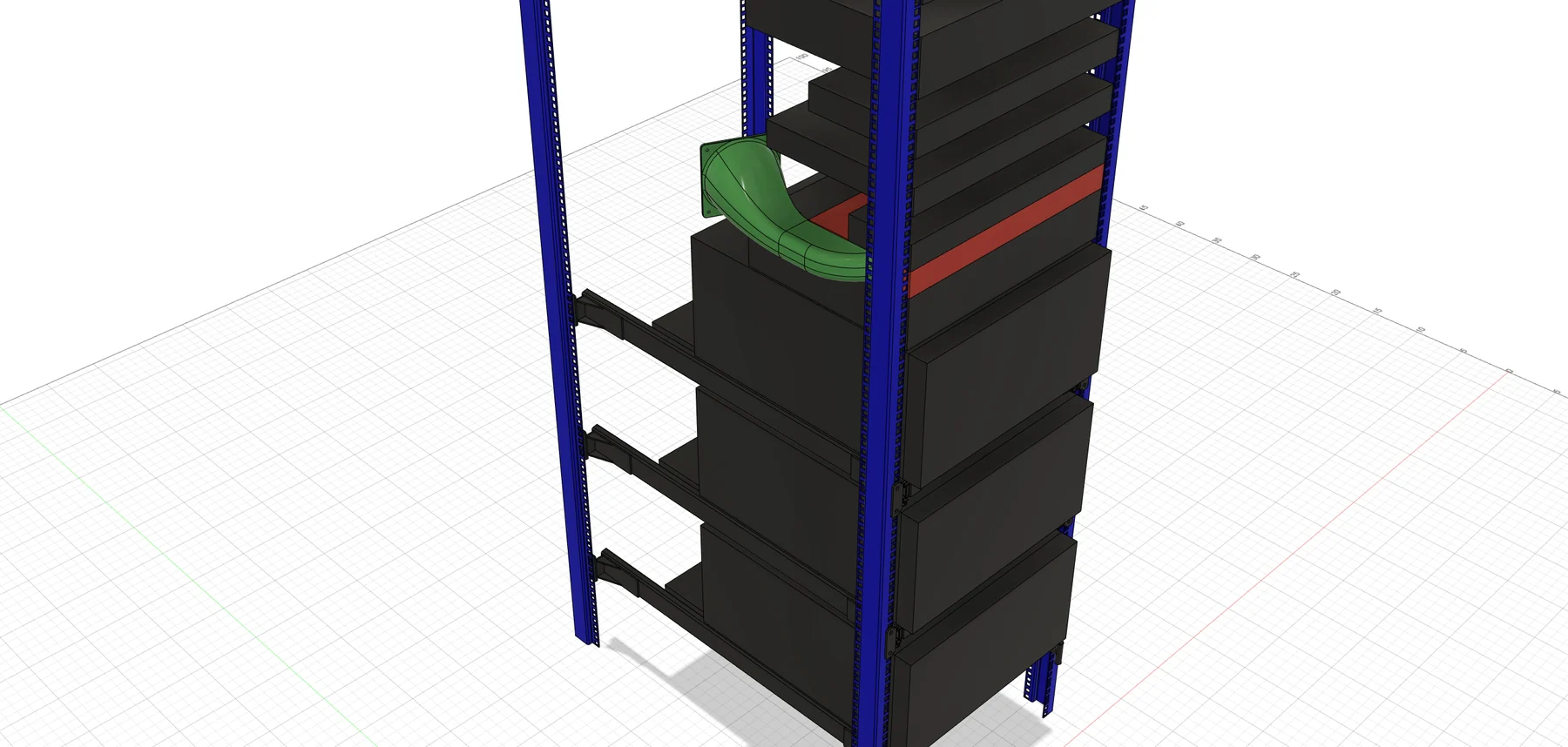
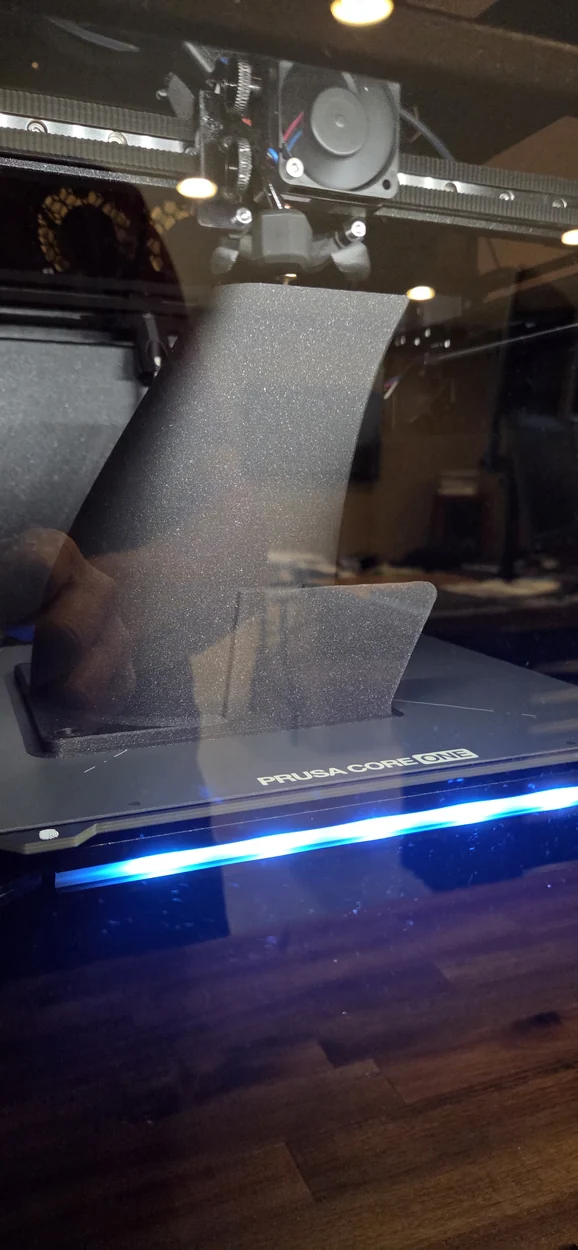
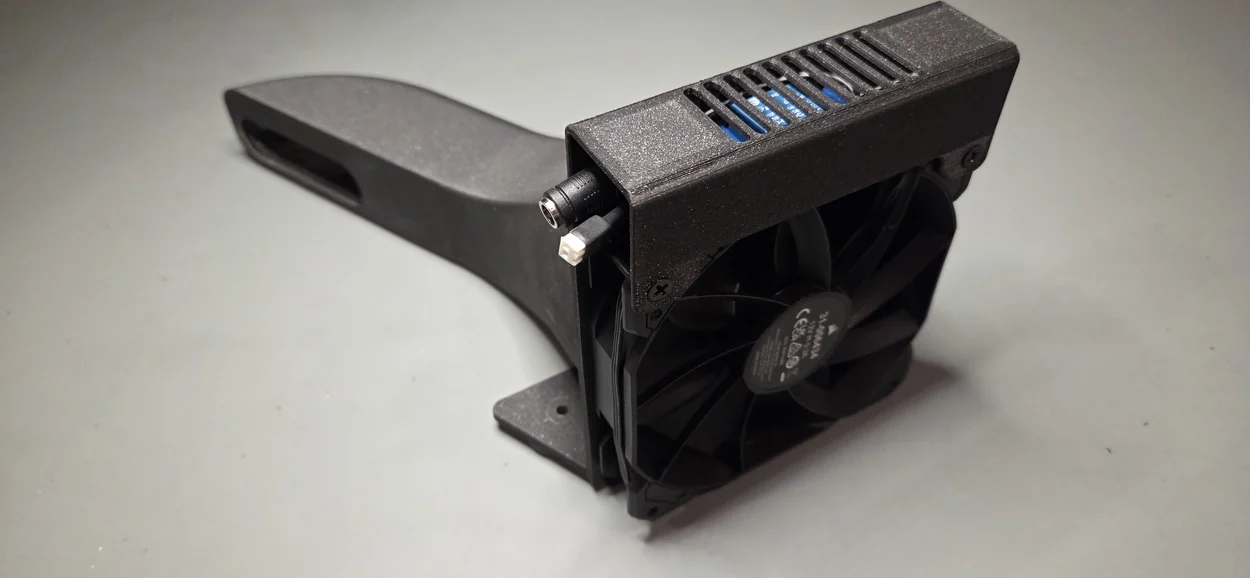
Prototyping is part of that discipline. A purpose-designed cooling assembly, for example, can be modeled, evaluated in physical form, and refined around mounting, airflow, and available rack space.

The goal is to solve the immediate constraint without leaving the next technician a black box.

Planning a commercial technology project?

Bring LANDOTECH into the conversation early.

Discuss a Project